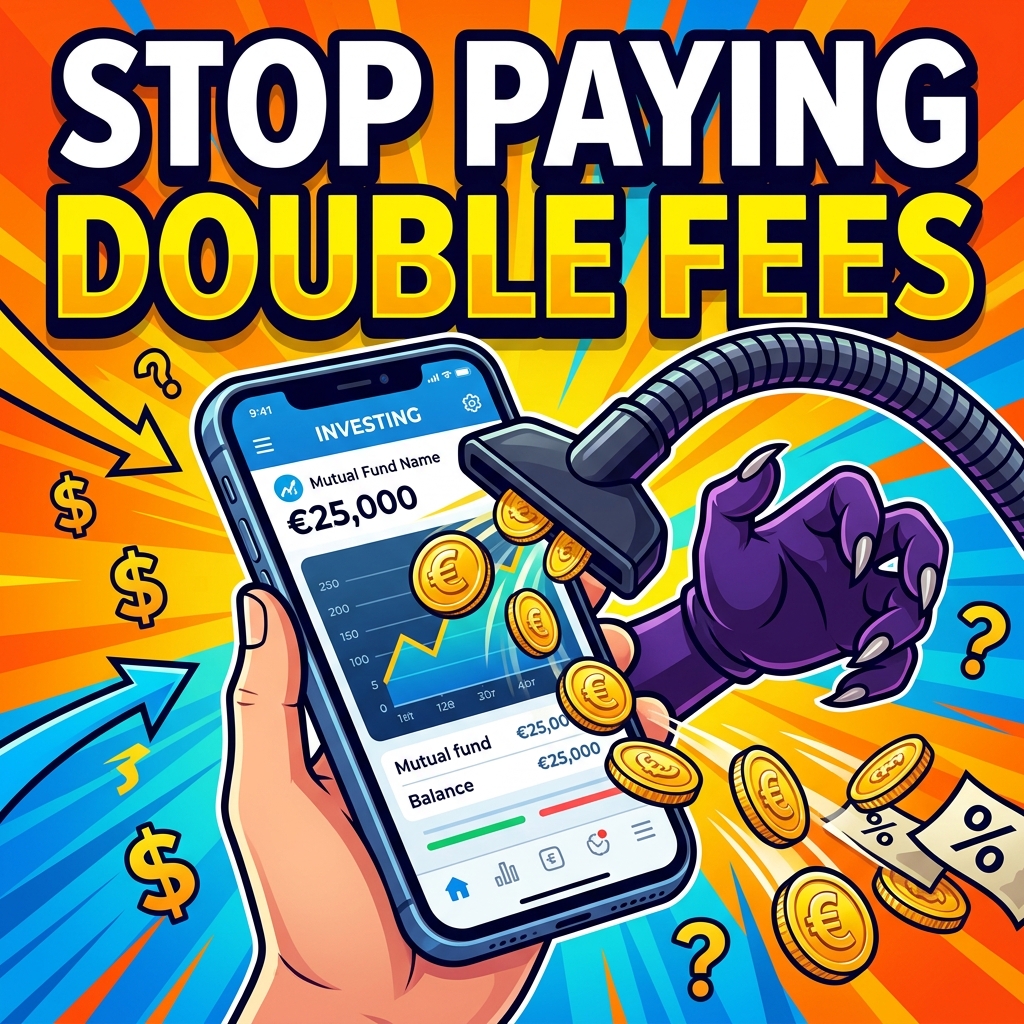
Stock brokers like Groww, Upstox, and Paytm Money are tricking you with a single, heavily marketed line. They advertise low percentage fees, and you probably think your brokerage is just a tiny 0.05% per trade. But the harsh reality is hiding deep inside your financial ledger—a place 90% of retail investors never even check. Let's expose the hidden math behind the "Minimum Brokerage Floor" and how it punishes small investors.Stock brokers जैसे Groww, Upstox, और Paytm Money आपको एक ही हैविली मार्केटेड लाइन से ट्रिक कर रहे हैं। वे कम प्रतिशत फीस का एडवरटाइजमेंट करते हैं, और आप शायद सोचते हैं कि आपका ब्रोकरेज प्रति ट्रेड बस 0.05% है। लेकिन कड़वी सच्चाई आपके फाइनेंसियल लेजर के अंदर गहराई में छिपी है—ऐसी जगह जहाँ 90% रिटेल इन्वेस्टर्स कभी चेक भी नहीं करते। आइए "न्यूनतम ब्रोकरेज फ्लोर" के पीछे छिपे मैथ को एक्सपोज़ करें और देखें कि यह कैसे छोटे इन्वेस्टर्स को punish करता है।
The Illusion of 0.05% Brokerage0.05% ब्रोकरेज का इल्यूजन (Illusion)
A lot of disciplined investors have a habit of buying 1 or 2 shares of ETFs like Nifty BeES every single day to maintain consistency in their investing journey. It sounds like a great strategy, right?कई डिसिप्लिन्ड इन्वेस्टर्स को अपनी इन्वेस्टिंग जर्नी में कंसिस्टेंसी बनाए रखने के लिए हर दिन निफ्टी बीईस (Nifty BeES) जैसे ETFs के 1 या 2 शेयर खरीदने की आदत होती है। ये एक बेहतरीन स्ट्रेटेजी लगती है, है ना?
Let’s look at the math. Suppose one share of Nifty BeES costs you ₹300. You buy one share, thinking you are paying a tiny 0.05% brokerage. But what they don't explicitly tell you is the Minimum Brokerage Floor. Many brokers charge a minimum of ₹5 to ₹20 per trade, regardless of how small your order size is.चलिए इसके मैथ को समझते हैं। मान लीजिए निफ्टी बीईस के एक शेयर का प्राइस ₹300 है। आप एक शेयर खरीदते हैं, ये सोचकर कि आप सिर्फ 0.05% ब्रोकरेज पे कर रहे हैं। लेकिन जो चीज़ वो आपको साफ़-साफ़ नहीं बताते, वो है न्यूनतम ब्रोकरेज फ्लोर (Minimum Brokerage Floor)। कई ब्रोकर्स आपके ऑर्डर का साइज चाहे कितना भी छोटा क्यों न हो, प्रति ट्रेड मिनिमम ₹5 से ₹20 तक चार्ज करते हैं।
If your broker has a minimum charge of ₹5, and you bought a share worth ₹300, you just paid a flat ₹5 in brokerage. That is an instant 1.6% loss on your capital the moment you hit 'Buy'.अगर आपके ब्रोकर का मिनिमम चार्ज ₹5 है, और आपने ₹300 का एक शेयर खरीदा, तो आपने ब्रोकरेज में सीधे ₹5 पे कर दिए। ये आपके 'Buy' बटन दबाते ही आपकी कैपिटल पर सीधा 1.6% का इंस्टेंट लॉस है।
The Smaller the Transaction, the Bigger the Lossट्रांज़ैक्शन जितना छोटा, लॉस उतना ही बड़ा
The rule is simple: The smaller your transaction amount, the higher your effective brokerage percentage.रूल एकदम सिंपल है: आपकी ट्रांज़ैक्शन अमाउंट जितनी छोटी होगी, आपका इफेक्टिव ब्रोकरेज परसेंटेज उतना ही ज्यादा होगा।
The worst part? This instant loss doesn't even show up in your return percentage on your dashboard. It is deducted straight from your invested capital. You are starting your investment journey in the red without even realizing it.सबसे बुरी बात? ये इंस्टेंट लॉस आपके डैशबोर्ड पर आपके रिटर्न परसेंटेज में शो भी नहीं होता। ये सीधा आपकी इन्वेस्टेड कैपिटल से डिडक्ट हो जाता है। यानी आप बिना रीयलाइज़ किए ही अपनी इन्वेस्टिंग जर्नी रेड (लॉस) में शुरू कर रहे हैं।
If you are using a brokerage calculator groww or checking groww charges, they often highlight the percentage but bury the minimum floor in the fine print.अगर आप ब्रोकरेज कैलकुलेटर ग्रो यूज़ कर रहे हैं या ग्रो चार्जेस चेक कर रहे हैं, तो वो अक्सर परसेंटेज को हाईलाइट करते हैं लेकिन मिनिमम फ्लोर को बारीक अक्षरों (fine print) में छिपा देते हैं।
Calculate Your Hidden Brokerage Lossअपना हिडन ब्रोकरेज लॉस कैलकुलेट करें
See how much capital you are losing to the "Minimum Brokerage Floor" over a month.चेक करें कि आप एक महीने में "न्यूनतम ब्रोकरेज फ्लोर" की वजह से कितनी कैपिटल लूज़ कर रहे हैं।
Total Invested / Monthटोटल इन्वेस्टेड / मंथ
₹6,000
Total Brokerage Paid / Monthटोटल ब्रोकरेज पेड
₹400
Effective Brokerage %इफेक्टिव ब्रोकरेज %
6.67% (advertised: 0.05%)
*Disclaimer: Different brokers use different kinds of brokerage structures. Please confirm the exact charges with your broker and input the values accordingly.*डिस्क्लेमर (Disclaimer): अलग-अलग ब्रोकर्स अलग-अलग तरह के ब्रोकरेज स्ट्रक्चर यूज़ करते हैं। प्लीज अपने ब्रोकर के साथ एग्ज़ैक्ट चार्जेस कन्फर्म करें और उसके अकॉर्डिंग वैल्यूज़ डालें।
How to Protect Your Capitalअपनी कैपिटल को प्रोटेक्ट कैसे करें
Can you escape this trap? Yes, you can. Here are two strategies to stop bleeding capital on small trades:क्या आप इस ट्रैप से बच सकते हैं? बिल्कुल बच सकते हैं। छोटे ट्रेड्स पर कैपिटल ब्लीड होने से रोकने के लिए यहाँ दो स्ट्रेटेजीज़ दी गई हैं:
1
Shift to Bulk Buyingबल्क बाइंग (Bulk Buying) पर शिफ्ट हों
Stop buying one or two shares every single day. Instead, accumulate your cash and make one bulk purchase per month. Why? Because brokers have a maximum cap on brokerage (usually ₹20 to ₹40 per executed order). Whether you buy shares worth ₹50,000 or ₹1,00,000, your maximum groww brokerage or Upstox brokerage will cap out at ₹20. By buying in bulk, your effective brokerage percentage drops drastically.हर दिन एक या दो शेयर खरीदना बंद करें। इसके बजाय, अपना कैश एक्यूमुलेट (जमा) करें और महीने में एक बार बल्क में खरीदें। क्यों? क्योंकि ब्रोकर्स की ब्रोकरेज पर एक मैक्सिमम कैप होती है (आमतौर पर ₹20 से ₹40 प्रति ऑर्डर)। चाहे आप ₹50,000 के शेयर खरीदें या ₹1,00,000 के, आपका मैक्सिमम ग्रो ब्रोकरेज या Upstox ब्रोकरेज ₹20 पर ही कैप हो जाएगा। बल्क में बाइंग करने से, आपका इफेक्टिव ब्रोकरेज परसेंटेज काफी कम हो जाता है।
2
Switch to Zero Brokerage Platforms (for Delivery)जीरो ब्रोकरेज प्लेटफॉर्म्स पर स्विच करें (डिलीवरी के लिए)
Consider shifting to platforms that still offer zero brokerage on equity delivery. For example, while zerodha brokerage charges apply for intraday, they still charge absolutely ₹0 for delivery trades (buying shares to hold). Yes, they have AMC of ₹200 to ₹300, but saving on that minimum brokerage floor far outweighs the AMC cost.उन प्लेटफॉर्म्स पर शिफ्ट होने का सोचें जो अभी भी इक्विटी डिलीवरी पर जीरो ब्रोकरेज ऑफर करते हैं। उदाहरण के लिए, ज़ेरोधा ब्रोकरेज चार्जेस इंट्राडे पर तो लगते हैं, लेकिन वो अभी भी डिलीवरी ट्रेड्स (शेयर होल्ड करने के लिए खरीदना) पर बिल्कुल ₹0 चार्ज करते हैं। हाँ, उनका ₹200 से ₹300 का AMC जरूर होता है, लेकिन मिनिमम ब्रोकरेज फ्लोर पर जो आपकी सेविंग होगी, वो इस AMC कॉस्ट से कहीं ज्यादा होगी।
Warning: The Selling Trapवार्निंग (Warning): सेलिंग का ट्रैप
But wait, this is only the math for buying. When you go to sell your shares, an entirely different, massive charge hits you called DP Charges (Depository Participant charges). This charge applies even on zero-brokerage platforms like Zerodha.लेकिन रुकिए, ये तो सिर्फ बायिंग (buying) का मैथ था। जब आप अपने शेयर सेल करने जाते हैं, तो आप पर डीपी चार्जेस (DP Charges) (Depository Participant charges) नाम का एक बिल्कुल अलग और बड़ा चार्ज लगता है। ये चार्ज ज़ेरोधा जैसे जीरो-ब्रोकरेज प्लेटफॉर्म्स पर भी अप्लाई होता है।
I will be breaking down the exact calculation of DP charges and how to avoid them in my next post, so make sure you follow DeepMoneyMinds and don't miss it.मैं अपनी नेक्स्ट पोस्ट में DP चार्जेस की एग्ज़ैक्ट कैलकुलेशन और उनसे कैसे बचें, ये सब ब्रेकडाउन करूँगा, इसलिए मेक श्योर कि आप DeepMoneyMinds को फॉलो करें ताकि आप उसे मिस न करें।
Frequently Asked Questions (FAQs) on Hidden Investment Chargesहिडन इन्वेस्टमेंट चार्जेस पर अक्सर पूछे जाने वाले सवाल (FAQs)
1. What is an expense ratio, and how does it impact my mutual fund investments?1. एक्सपेंस रेशियो क्या है, और यह मेरे म्यूचुअल फंड इन्वेस्टमेंट्स को कैसे इम्पैक्ट करता है?
The expense ratio is an annual fee charged by the Asset Management Company (AMC) to cover costs like fund management, administration, and marketing. It is expressed as a percentage of your total investment value. A higher expense ratio directly reduces your effective returns over time.एक्सपेंस रेशियो एक एनुअल फीस (Annual Fee) है जो एसेट मैनेजमेंट कंपनी (AMC) फंड मैनेजमेंट, एडमिनिस्ट्रेशन और मार्केटिंग जैसी कॉस्ट को कवर करने के लिए चार्ज करती है। इसे आपकी टोटल इन्वेस्टमेंट वैल्यू के एक परसेंटेज के रूप में दिखाया जाता है। एक हाई एक्सपेंस रेशियो आपके लॉन्ग-टर्म इफेक्टिव रिटर्न्स को सीधा कम कर देता है।
2. Do standard mutual fund calculators include the expense ratio?2. क्या स्टैण्डर्ड म्यूचुअल फंड कैलकुलेटर्स में एक्सपेंस रेशियो इन्क्लूड होता है?
Most basic mutual fund calculators only ask for your investment amount, expected rate of return, and tenure. They typically calculate the gross returns using a standard formula. They do not automatically deduct the expense ratio, which can make your estimated maturity value look much higher than the actual amount you will receive.ज्यादातर बेसिक म्यूचुअल फंड कैलकुलेटर्स आपसे सिर्फ इन्वेस्टमेंट अमाउंट, एक्सपेक्टेड रेट ऑफ़ रिटर्न, और टेन्योर (Tenure) मांगते हैं। वो स्टैण्डर्ड फॉर्मूला यूज़ करके ग्रॉस (Gross) रिटर्न कैलकुलेट कर देते हैं। वो अपने आप एक्सपेंस रेशियो को डिडक्ट नहीं करते, जिसकी वजह से आपकी एस्टिमेटेड मैच्योरिटी वैल्यू आपके असल में मिलने वाले अमाउंट से बहुत ज्यादा दिख सकती है।
3. What is the difference between Direct and Regular mutual fund plans?3. डायरेक्ट और रेगुलर म्यूचुअल फंड प्लान्स में क्या डिफरेंस है?
When you buy a Regular plan through an agent, distributor, or a bank, the mutual fund pays them a commission. This commission is recovered from you in the form of a higher expense ratio. Direct plans allow you to invest directly with the fund house, bypassing intermediaries, which results in a lower expense ratio and higher long-term returns.जब आप किसी एजेंट, डिस्ट्रीब्यूटर या बैंक के थ्रू रेगुलर प्लान खरीदते हैं, तो म्यूचुअल फंड उन्हें कमीशन पे करता है। ये कमीशन एक हाई एक्सपेंस रेशियो के रूप में आप से ही रिकवर किया जाता है। डायरेक्ट प्लान्स में आप सीधा फंड हाउस के साथ इन्वेस्ट करते हैं, किसी भी बिचौलिये को हटाते हुए, जिससे एक्सपेंस रेशियो लो (Low) होता है और आपके लॉन्ग-टर्म रिटर्न्स हाई हो जाते हैं।
4. Do "Zero Brokerage" platforms like Zerodha and Groww really have no hidden charges?4. क्या Zerodha और Groww जैसे "जीरो ब्रोकरेज" प्लेटफॉर्म्स में सच में कोई हिडन चार्जेस नहीं होते?
While platforms like Zerodha and Groww may offer zero brokerage on equity delivery trades, they are not entirely free. Investors still have to pay mandatory regulatory fees such as Securities Transaction Tax (STT), SEBI turnover charges, Stamp Duty, Exchange Transaction charges, and 18% GST on the brokerage and transaction charges. Additionally, there are operational fees like DP charges when you sell shares.भले ही Zerodha और Groww जैसे प्लेटफॉर्म्स इक्विटी डिलीवरी ट्रेड्स पर जीरो ब्रोकरेज ऑफर करते हों, लेकिन वो पूरी तरह से फ्री नहीं हैं। इन्वेस्टर्स को अभी भी मैंडेटरी रेगुलेटरी फीस पे करनी होती है जैसे STT (Securities Transaction Tax), SEBI टर्नओवर चार्जेस, स्टैम्प ड्यूटी, एक्सचेंज ट्रांज़ैक्शन चार्जेस, और ब्रोकरेज व ट्रांज़ैक्शन चार्जेस पर 18% GST। इसके अलावा, शेयर सेल करते टाइम DP चार्जेस जैसी ऑपरेशनल फीस भी लगती है।
5. What are DP (Depository Participant) charges, and when are they applied?5. DP (Depository Participant) चार्जेस क्या हैं, और ये कब लगते हैं?
DP charges are levied by depositories (CDSL or NSDL) and the broker whenever you sell shares from your Demat account. For instance, Zerodha charges ₹15.34 (₹13.5 + 18% GST) per scrip when stocks are sold, regardless of the quantity. Groww charges ₹16.5 plus depository fees. These are often overlooked by investors taking small profits.जब भी आप अपने डीमैट अकाउंट से शेयर्स सेल करते हैं, तो डिपॉज़िटरीज़ (CDSL या NSDL) और आपका ब्रोकर DP चार्जेस लगाते हैं। उदाहरण के लिए, जब स्टॉक्स बेचे जाते हैं तो Zerodha प्रति स्क्रिप (Scrip) ₹15.34 (₹13.5 + 18% GST) चार्ज करता है, चाहे क्वांटिटी कितनी भी हो। Groww ₹16.5 प्लस डिपॉज़िटरी फीस चार्ज करता है। जो इन्वेस्टर्स छोटे प्रॉफिट बुक करते हैं, वो अक्सर इन चार्जेस को इग्नोर कर देते हैं।
6. Is there a minimum brokerage fee on small trades?6. क्या छोटे ट्रेड्स पर कोई मिनिमम ब्रोकरेज फीस होती है?
Yes. Even if a broker advertises a low percentage fee (like 0.1% or 0.03%), they often apply a minimum floor charge. For example, Groww's equity trading fee is ₹20 or 0.1% of the trade value, whichever is lower, but they enforce a minimum charge of ₹5 per order. This means on very small transactions, your effective brokerage percentage is much higher than the advertised 0.1%.हाँ। भले ही एक ब्रोकर कम परसेंटेज फीस (जैसे 0.1% या 0.03%) एडवरटाइज करता हो, वो अक्सर एक मिनिमम फ्लोर चार्ज लगाते हैं। उदाहरण के लिए, Groww की इक्विटी ट्रेडिंग फीस ट्रेड वैल्यू का ₹20 या 0.1% है (जो भी कम हो), लेकिन वो प्रति ऑर्डर मिनिमम ₹5 चार्ज करते ही हैं। इसका मतलब है कि बहुत छोटी ट्रांज़ैक्शंस पर, आपका इफेक्टिव ब्रोकरेज परसेंटेज विज्ञापित 0.1% से काफी ज्यादा होता है।
7. Are there Account Maintenance Charges (AMC) for Demat accounts?7. क्या डीमैट अकाउंट्स के लिए अकाउंट मेंटेनेंस चार्जेस (AMC) होते हैं?
Yes, most brokers charge an AMC to keep your Demat account active. Zerodha, for example, charges ₹300 per year for Demat AMC. Groww, on the other hand, currently offers ₹0 AMC.हाँ, ज्यादातर ब्रोकर्स आपके डीमैट अकाउंट को एक्टिव रखने के लिए एक AMC चार्ज करते हैं। उदाहरण के लिए, Zerodha डीमैट AMC के रूप में ₹300 प्रति वर्ष चार्ज करता है। दूसरी तरफ, Groww फिलहाल ₹0 AMC ऑफर करता है।
8. What is an exit load in mutual funds?8. म्यूचुअल फंड्स में एग्जिट लोड क्या होता है?
An exit load is a fee applied by the mutual fund if you redeem (sell) your investment before a specified holding period. It is designed to discourage early withdrawals. Most equity funds charge around 1% of the redemption value if sold within one year, though exact terms vary by fund.अगर आप अपनी इन्वेस्टमेंट को एक स्पेसिफाइड होल्डिंग पीरियड से पहले रिडीम (सेल) करते हैं, तो म्यूचुअल फंड एक फीस लगाता है जिसे एग्जिट लोड कहते हैं। इसे अर्ली विथड्रॉल्स (Early Withdrawals) को हतोत्साहित (Discourage) करने के लिए डिज़ाइन किया गया है। ज्यादातर इक्विटी फंड्स अगर एक साल के अंदर सेल किए जाएं तो रिडेम्पशन वैल्यू का करीब 1% चार्ज करते हैं, हालांकि हर फंड की एग्ज़ैक्ट टर्म्स अलग होती हैं।
I believe that knowledge is the ultimate currency. Through Deep Money Minds, I bridge the gap between complex financial concepts and everyday practical technology to help you succeed.मेरा मानना है कि ज्ञान ही सबसे बड़ी संपत्ति है। दीप मनी माइंड्स के माध्यम से, मैं जटिल वित्तीय अवधारणाओं और रोजमर्रा की तकनीक के बीच की खाई को पाटने का काम करता हूँ।
Personal finance & investing for Indians. Running the numbers so you don't have to.भारतीयों के लिए personal finance & investing। Numbers मैं run करता हूँ, ताकि आपको न करनी पड़े।